
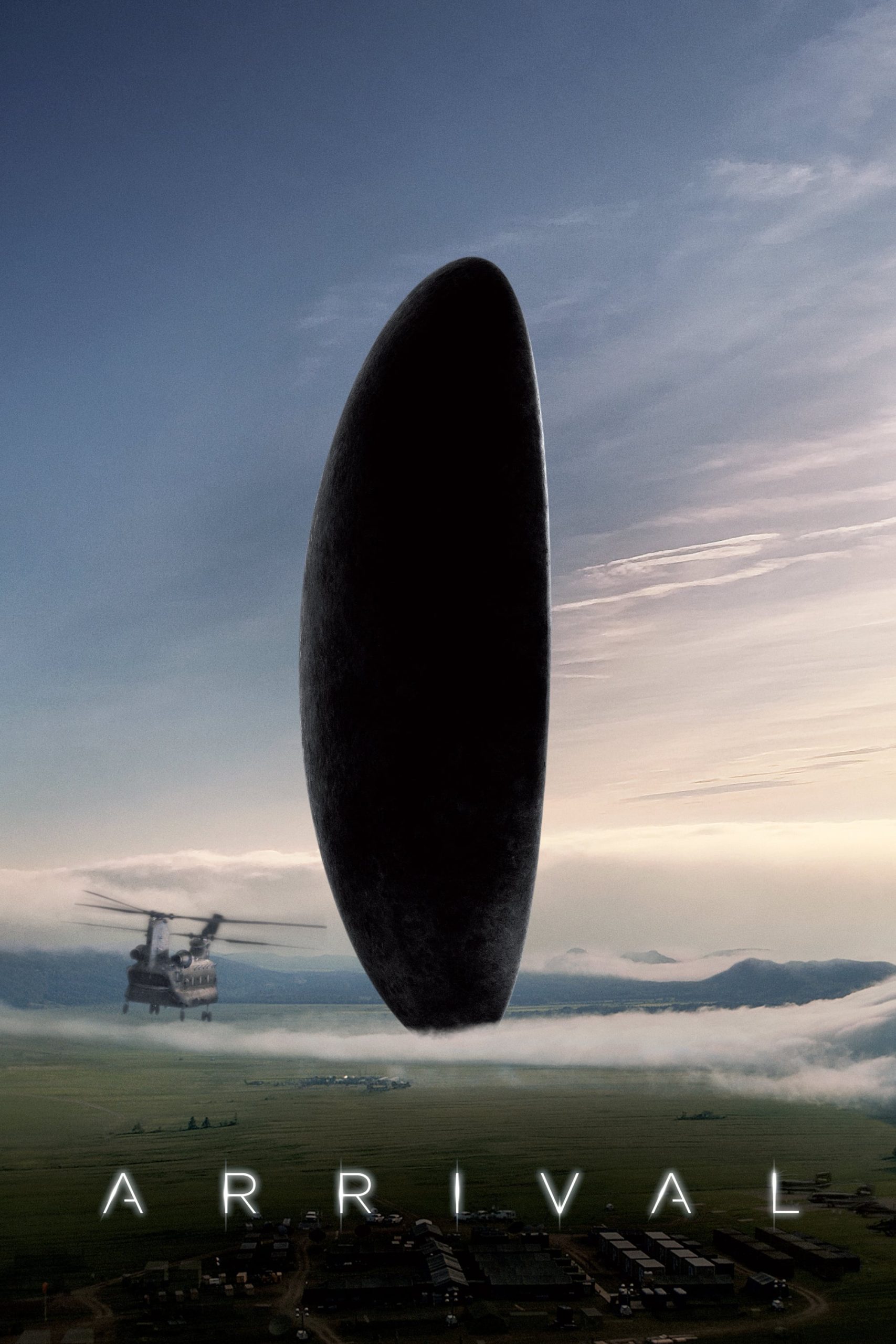
The Historical Landscape
Arrival, for me, instantly conjures vivid memories of the world in 2016—a year teetering on the edges of hope and unrest, echoes of progress underscored by deepening fractures. When I recall seeing the film in theaters, what stands out isn’t just the story of alien visitation, but the pulse of the historical moment it captured. The world was grappling with staggering uncertainty. From my vantage point, I saw the wave of globalization rolling out while nationalism simultaneously crested in country after country. I remember the tenor of conversations: the U.S. was in the midst of a polarizing presidential election, marked by divisive rhetoric and rising anxieties about borders, identity, and truth itself. Across the ocean, Brexit sent shockwaves through Europe, signaling profound shifts in public trust and a creeping sense of isolationism. It wasn’t only about politics—there were technological advancements shaking up daily reality: the smartphone-driven hyperconnectivity, the relentless cycle of social media, and the unsettling feeling that everything was changing faster than we could process.
The cinema of the time reflected those contradictions, and I sensed in Arrival a product not just of its era, but of a very specific cultural unease. The headlines buzzed with fears of the unknown—disinformation, foreign interference, refugee crises—while at the same time, scientific breakthroughs like CRISPR gene-editing and AI promised radical progress. I don’t remember a year so marked by both optimism about humanity’s future and dread over what that future might hold. Denis Villeneuve’s Arrival, stepping into this landscape, felt like a meditation on how we, as a global community, might contend with cosmic uncertainty—and, on a more intimate level, how we use language and empathy to bridge divides.
Cultural and Political Undercurrents
For me, the film’s DNA is inseparable from the deeper societal forces I saw bubbling just beneath the surface in 2016. I was especially struck by the way Arrival engages with communication as its central obsession. In a world that felt progressively divided—by borders, beliefs, language, and ideology—the film’s premise, centering on a linguist’s attempt to decode an alien tongue, resonated keenly with the atmosphere of breakdown and miscommunication I sensed all around me. Watching Louise Banks struggle to forge meaningful understanding with the Heptapods reminded me of the urgent need for dialogue in a time where so many seemed to be talking past one another. The historical backdrop included not just real-world diplomatic standoffs but also the phenomenon of “echo chambers,” where algorithms delivered only what we wanted to hear, eroding common ground.
On a political level, Arrival’s multinational response to the alien arrival felt like an allusion to real-world alliances fraying at the seams. I found it telling that the film doesn’t offer simple nationalism or militaristic bravado as the solution. Instead, it illuminated cooperation—an ideal that felt especially precarious during those turbulent months of escalating nationalism. I also couldn’t help but sense traces of 9/11’s lingering legacy within the narrative: the fear, suspicion, and quick shift toward militarization upon encountering the Other. For me, the film quietly critiques knee-jerk aggression and fear-driven response, instead holding up curiosity and patience as rare virtues.
Socially, I was moved by how the film captured contemporary anxieties: the fear of the unknown, yes, but also the anxiety about whether we’re up to the existential challenges increasingly thrown before humanity. Environmental pressures, mass migration, and the specter of mutually assured destruction were never far from my mind, and Arrival wove those uncertainties into its DNA. Its use of female perspective also stood out powerfully. In a year where gendered discourse was front and center in public life, Amy Adams’ Louise Banks brought rare complexity to intelligence, intuition, and leadership, quietly dismantling old Hollywood archetypes about who gets to decode history’s mysteries.
The Film as a Reflection of Its Time
When I look back, what strikes me most is how Arrival translates its historical anxieties into poetic metaphor. Instead of succumbing to the standard trappings of alien invasion genre—escalating violence, easy answers—it captured the uncertainty and ambiguity that defined 2016. The film’s central puzzle, a language that reorients linear perceptions of time, mirrored for me the disorientation I felt navigating the ceaseless information barrage and radical speed of events. There was an inescapable sense, both in real life and on screen, that the old frameworks for making sense of the future were falling away. The film’s willingness to dwell in confusion, to allow for tentative and non-linear thinking, spoke directly to the moment’s sense of not-knowing.
I’ve long admired how Arrival’s narrative resists the pressure for clarity. The looping structure, unfolding as memories unfurl and collapse backward, paralleled the cultural obsession with fate and contingency that colored discussions of politics and technology in 2016. Was the future inevitable? Could our decisions truly change the outcome? This felt especially poignant during an election cycle where so many voters expressed fatigue over “post-truth” reality—where core facts and narratives themselves could suddenly be called into question, and the path forward felt more ambiguous than ever. Arrival’s Heptapod language—circular, richly textured, embracing possibility—felt like Villeneuve’s response to a culture growing increasingly frustrated with binary thinking and certainty.
At a more intimate level, Arrival’s emotional heart reflected the era’s preoccupation with loss, grief, and hope. I remember 2016 as a time when global turbulence pressed many people inward, forcing reflection on what it means to love, to let go, and to face the unknown. The film entrusts Louise Banks with impossible choices—not just translating alien intent but deciding whether to embrace joy even knowing pain will follow. For me, this captured the zeitgeist of that year: an insistence on facing the future, deeply uncertain, yet refusing to forgo compassion or connection. It’s a perspective that felt radical against a rising tide of cynicism and fear-based politics.
And then, there was the role of science. During 2016, science stood at a historical crossroads—celebrated and questioned in equal measure. Arrival’s faithful treatment of linguistics, physics, and communications technology struck me as an affirmation of expertise and humility in the face of the unknown. There was no easy triumph; rather, the film asks us to trust in careful, painstaking work, to accept uncertainty, and to believe that understanding is a collaborative, deeply human project. In this, Arrival offered a quietly defiant answer to the growing anti-intellectualism that defined corners of that moment in history.
Changing Perceptions Over Time
When I watch Arrival now, years after its release, its resonance has both shifted and deepened. In 2016, I experienced the film as a response to immediate chaos—a balm for the uncertainty that defined that season. Yet as time has gone on, I’ve noticed new layers emerging. The film’s exploration of language and perception feels almost prescient in an era of deepfakes, misinformation, and ever more sophisticated attempts to manipulate consensus reality. Each time I revisit the film, I’m struck by how much its central question—“How do we understand one another, across difference?”—has only become more urgent as technology has further fragmented the global commons.
The international focus that once struck me as idealistic now feels bittersweet. Watching Arrival in the wake of the COVID-19 pandemic—a time when international cooperation and mistrust coexisted—gave me a different perspective on the challenges the characters faced. The urgency with which nations in the film fail or succeed at sharing knowledge feels less like a hypothetical and more like lived reality, one that played out in vaccine diplomacy, supply chain crises, and debates over scientific transparency. The film’s measured optimism reads, to me, as both an artifact of the pre-pandemic era and a lingering hope for how we might yet resolve conflict through communication.
I’ve also found that interpretations of Louise Banks’ story have grown richer. Initially, I saw her as a figure of empathy—a symbol of bridging divides through patience and humility. Lately, as discussions around trauma and resilience have matured in popular discourse, I view her willingness to say yes to love and pain not simply as noble, but profoundly human. That theme endures in a world still reeling from collective griefs big and small—teaching me repeatedly that courage in the face of inevitable loss is as much a lesson for nations as individuals. What once seemed like a personal catharsis has revealed itself as a political stance: an insistence on connection despite forces that would divide us.
I’ve been fascinated, too, by how Arrival’s gentle pacing and meditative tone set it apart from the bombast that has come to define so much contemporary science fiction. Watching it now, in a cinematic landscape more saturated with apocalyptic spectacle than ever, its restraint feels almost revolutionary. It remains a rare film that encourages its viewers to slow down, to listen deeply—less an escape from history than a demand to engage with it head-on.
Historical Takeaway
If there’s one lesson I draw from Arrival when looking back at 2016, it’s that the film foregrounded our deepest uncertainties—about the world, about our ability to understand one another, about the future itself—and offered a quiet faith in the possibility of finding meaning together. Its historical significance lies for me not merely in what it depicted, but how it chose to ask its questions: with humility, with a lingering sense of awe, and with deep empathy for both individual and collective struggles.
The era that shaped Arrival was one of fractures and possibility, teetering between retreat and new horizons. The film doesn’t promise easy reconciliation, but insists that curiosity and connection remain our best defenses against fear and misunderstanding. Looking back, I am reminded that history is never a straight line—much like the Heptapods’ language, it loops and curls, sometimes revealing its meaning only through patient attention and shared experience.
For me, Arrival endures as a testament to the value of slow, careful listening in times of tumult. It captures a world at the crossroads, wracked by anxiety but refusing to abandon hope. Its historical lesson is clear through my eyes: even as everything changes, the fundamental challenge of understanding—of crossing the gap between self and other—remains. The film is a time capsule, reflecting the era’s tension and aspiration, but also an unfinished conversation: an invitation to keep translating, keep listening, and keep reaching for connection against the odds.
To see how these real-world elements shaped the film’s impact, you may also explore its reception and legacy.
🎬 Check out today's best-selling movies on Amazon!
View Deals on Amazon