
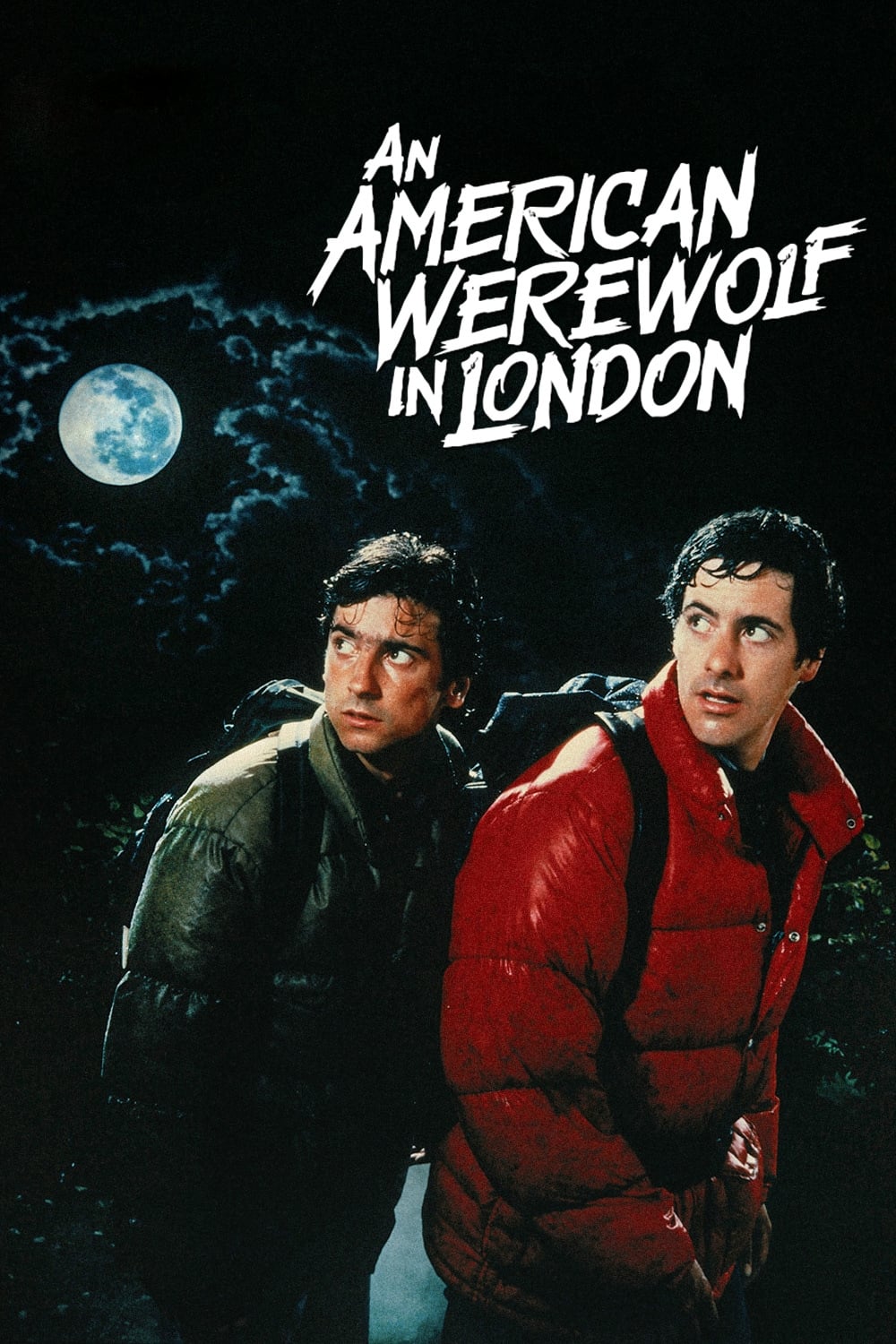
The Historical Era of the Film
My fascination with the early 1980s always primes me to notice the many subtle undercurrents that shaped a work like An American Werewolf in London (1981). The film emerged just as the world was drifting from the turbulence of the 1970s into a decade fraught with new anxieties and shifting cultural priorities. For me, the political climate of this era serves as a background hum in every frame. In both the United States and the United Kingdom, conservatism was on the rise, with Ronald Reagan taking the helm in America and Margaret Thatcher continuing her transformative, polarizing leadership in Britain. Economic uncertainty felt like a lingering fog—high inflation, stagnant growth, and the aftershocks of the 1979 oil crisis were not yet mere memories. I frequently sense this era’s search for reassurance set against latent unease, which seeps into both comedic and horrific layers onscreen.
Socially, I feel the film echoes the exhaustion of the late ‘70s, an era of significant unrest, labor strikes, and division, especially in the UK. It was a moment of generational transition, when postwar optimism had faded but new dreams were still unformed. London itself—where most of the film is set—pulsed with the juxtaposition of ancient tradition and clashing subcultures. America’s own identity, meanwhile, was in flux. The Vietnam War’s legacy, the Watergate scandal, and a crisis of faith in national institutions found expression in popular culture everywhere. I notice in the film a blend of irreverence and defiance that could only arise from such a stew of historical forces.
The economic climate of the production era shouldn’t be overlooked. British and American studios alike were scrambling for international hits, competing with emerging entertainment options and struggling to fund bold new visions. Filmmakers, I think, were caught between the gritty realism that defined the 1970s and a new appetite for genre-bending, high-concept transformations. The way the movie navigates its American protagonist’s journey through London struck me as a metaphor for the broader transatlantic conversation that marked the era—a mixture of competition, fascination, and cultural symbiosis.
Social and Cultural Climate
When I watch An American Werewolf in London, I’m always intrigued by the complex dance between tradition and innovation that animated the social and cultural climate of its birth. The 1980s, as I see them, were marked by a growing appetite for nostalgia juxtaposed with a bold push into subversive new territory. Popular culture was busy digesting and reconfiguring the horror genre. The 1970s’ steep plunge into realism and psychological darkness had unsettled audiences; by 1981, there was a hunger for stories that might balance terror with self-aware humor—a trend I see as deeply tied to the era’s shifting values.
The rise of the slasher film and body horror in cinema around this time wasn’t an accident, in my view. It directly reflected anxieties about personal safety, urban violence, and bodily vulnerability. AIDS, although its scale wasn’t yet clear, had begun casting a shadow. Issues surrounding youth independence, sexual experimentation, and authority—percolating in punk rock, second-wave feminism, and post-counterculture rebellion—surfaced even in unlikely genres. The shaky certainties of the 1950s and ‘60s were being challenged, and I feel the film absorbs this restlessness.
Humor, too, was changing. The “midnight movie” circuit, where oddball horror-comedies flourished, became a laboratory for hybrid forms. I always appreciate how, at a time when the lines between genres were less rigid, filmmakers dared mingle violence, satire, and pathos—capturing the contradictions of an era strung between post-Vietnam cynicism and the escapist delights of the coming Reagan-Thatcher years.
In my observations, England itself was bursting with paradoxes in 1981: royalty and punk, tradition and riot, foggy streets and neon clubs. American tourists, while omnipresent, were often depicted as naïve outsiders, and that image is used to strong effect in the film. There was a palpable sense of London being at once familiar and strange—a notion that filmgoers of the era would have instantly recognized, both as a social reality and a metaphor.
How the Era Influenced the Film
The imprint of the production era is unmistakable to me in every beat of the film. John Landis, the director, had been planning the project since the late 1960s, but it’s clear to me that only the landscape of the early ‘80s could have catalyzed this unique blend of horror and comedy. The period’s fascination with boundaries—between the living and the dead, civilization and wilderness, America and Britain—finds literal and symbolic expression. I sense that the film’s ragged sense of alienation and its mordant wit are both products of a society in transition, desperate for meaning but skeptical of tidy answers.
The special effects, too, offer a window into the moment’s technological bravado and constraints. Rick Baker’s groundbreaking work—especially the iconic transformation sequence—reflects a period right on the cusp of digital change, when practical effects and creative ingenuity still set the standard. I see it almost as a swan song for pre-digital effects artistry, a showcase of analog imagination.
I’m also struck by how the film’s story parallels real experiences of cultural displacement that were so common in the era. The American protagonists—uncertain, naïve, sometimes out of their depth—embody the very real dislocation of travelers in a world increasingly shaped by global movement but defined by deep-rooted anxieties about belonging and identity. This feels to me like a mirror not just of cross-Atlantic relations, but of a generation’s wider existential questions.
Humor, horror, and social menace intermingle, not by accident but because the prevailing climate demanded it. The British setting is not just window dressing. It’s a linchpin: British genre traditions (from Hammer horror to Monty Python’s satire) meet American irreverence, all against a backdrop of crumbling industrialism and emerging yuppie culture. The social tensions—unemployment, fear of urban violence, rising class consciousness—become, in my reading, atmospheric threads woven throughout the story.
- Economic uncertainty spurred creative risk-taking in genre films
- Social anxieties about crime and bodily vulnerability became thematic touchstones
- Advances in practical effects technology enabled unprecedented visual storytelling
- Anglo-American cultural exchange influenced both production and narrative
For me, the film’s pessimism isn’t just narrative; it’s atmospheric evidence of a time when tomorrow felt unstable, and laughter was as much a defensive weapon as a source of relief. Everything on screen—setting, tone, character—strikes me as a direct legacy of the film’s historical moment.
Audience and Critical Response at the Time
Whenever I research 1981’s cinema landscape, I’m always struck by how audiences and critics responded to such a risky genre-blending experiment. The atmosphere was one of curiosity mixed with surprise. Horror fans came looking for familiar chills, only to find themselves laughing, while comedy fans were confronted with some of the era’s most convincing cinematic gore. This duality, so characteristic of a transitional era, sparked lively debate.
What amazes me is how the film managed to capture both a cult following and mainstream buzz. The special effects, especially the transformation scene, almost immediately set a new industry benchmark. I remember reading contemporary reviews—Roger Ebert and others—marveling at the technical accomplishment even as they puzzled over the film’s tonal shifts. British critics, especially, zeroed in on the image of American tourists adrift in a world that was at once alluring and dangerous, a theme that resonated with audiences exhausted by ongoing social upheaval.
The film’s dark humor was divisive but fascinating. I’ve always thought the resonance of this humor with the “video nasty” and midnight cinema trend speaks volumes about the era’s appetite for the outrageous—born, perhaps, of a desire to dispel persistent dread through laughter. Awards saw the film acknowledged for its technical feats, especially Rick Baker’s Oscar win for Makeup—evidence to me that the industry was beginning to value horror’s innovative potential once again.
Financially, the film did well, especially in the United States, where its blend of genres felt like an answer to the creative restlessness of the time. It’s also clear, from letter columns and early fan press, that the film’s culturally specific jokes and references played differently on each side of the Atlantic, revealing the subtleties of international audience reception.
Why Historical Context Matters Today
I always believe that any modern viewing of An American Werewolf in London becomes richer when I understand its place in history. The anxieties that permeate the film—the uncertainty about the future, the shifting boundaries of humor and horror, the fascination with foreignness—are magnified when I see them against the backdrop of Reagan-era optimism and Thatcherite austerity. For me, appreciating the film is about tracing the fault lines of an era, seeing how personal dread and public unease shaped not just the story, but the very feeling of the film.
When I reflect on today’s genre filmmaking, I realize how much of our expectations—about effects, about genre-mixing, about audience savvy—were calibrated in moments like 1981. The practical effects, the willingness to court the grotesque, the dry humor mixed with tragedy—these aren’t just artistic choices, they are reflections of social survival strategies honed in an era that trusted neither the realities of yesterday nor the promises of tomorrow.
For viewers and film historians like me, historical context deepens empathy. It reminds me that every stylistic flourish, every awkward laugh, every jarring shift is shaped by forces far larger than the director or screenwriter. The modern horror-comedy, with all its meta-wit and genre-bending, owes its DNA to a film and a moment when nothing felt guaranteed except uncertainty.
I find that revisiting the historical moment of the film’s making challenges me to see its artifacts—video effects, location choices, even casting—with an analytical curiosity. Why was London depicted as it was? Why does American naiveté feel so central? Only by stepping into the anxieties and opportunities of 1981 do these choices reveal their deeper resonance. And for any serious or casual viewer, this journey into the past isn’t just academic; it’s a way to make art feel newly alive, intimately connected to the present, and sometimes, eerily prophetic.
After understanding the factual background, you may want to see how this story was received as a film.
🎬 Check out today's best-selling movies on Amazon!
View Deals on Amazon