
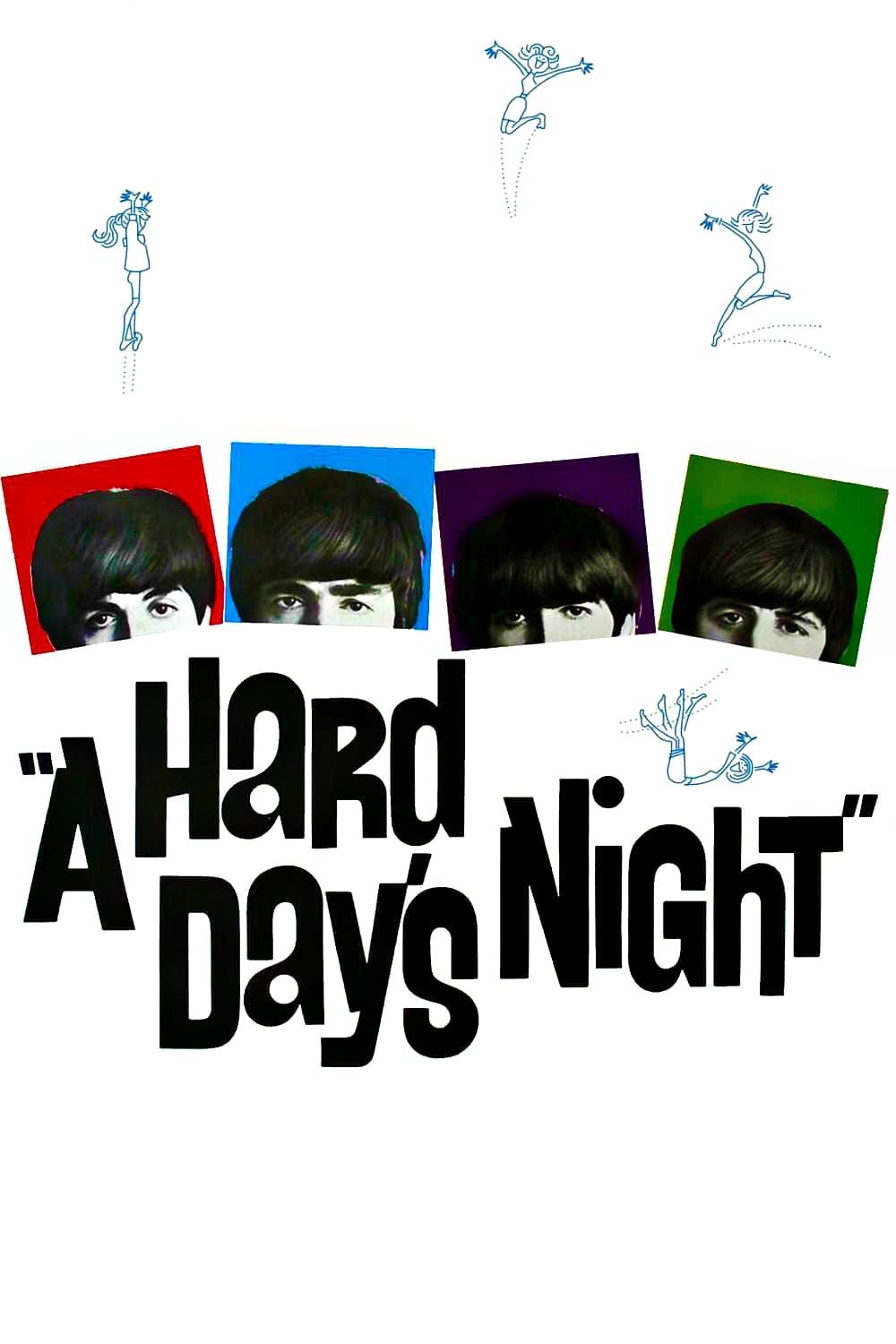
The Historical Era of the Film
The historical context of A Hard Day’s Night (1964) is rooted in the early 1960s, a period marked by significant transformation in Britain and across the world. Politically, the United Kingdom was experiencing the tail end of post-war recovery efforts. The Conservative Party, led by Prime Minister Alec Douglas-Home, maintained a steady if unremarkable course, emphasizing continuity while younger generations expressed increasing restlessness. Economic growth was moderate, with the British economy undergoing modernization as consumer spending expanded and new technologies emerged. This era saw rising living standards, improved access to education, and more leisure time, laying the groundwork for cultural shifts.
Socially, the early 1960s marked the beginning of the “Swinging Sixties,” a time characterized by the rise of youth subcultures and the questioning of traditional authority figures. The British class system, though still present, began to erode as economic opportunities expanded. In this climate, music and fashion became key means of self-expression for teenagers and young adults, setting them apart from previous generations. The entertainment industry, particularly television, also blossomed, providing a new platform for cultural icons to influence public opinion. Global events, such as the aftermath of the Cuban Missile Crisis and the early stages of the Vietnam War, also contributed to a sense of change, uncertainty, and possibility for the future.
Social and Cultural Climate
The social and cultural climate surrounding the production era of A Hard Day’s Night was defined by dramatic shifts in attitudes about music, celebrity, and youth culture. The early sixties in Britain saw the emergence of the “youthquake,” a phenomenon driven by the sudden financial and cultural power acquired by young people. The popularity of rock ‘n’ roll and pop music soared, spearheaded by figures like The Beatles. Their rise was emblematic of a broader movement in which the tastes, styles, and opinions of younger generations came to dominate popular culture.
Dominant attitudes toward authority and social conformity were being challenged during this time. The postwar generation sought more autonomy and rejected many traditions held by their parents. Fashion trends shifted dramatically toward modern, bold, and sometimes subversive looks. The so-called “mod” culture, with its sharp suits and fast music, developed alongside a vibrant art scene in London. Against this background, The Beatles became more than just entertainment figures—they were figures of cultural revolution whose music and public personas resonated across generational lines.
At this time, there were also tensions regarding issues such as class mobility, regional identity, and the growing influence of American culture on British society. The Beatles themselves, hailing from Liverpool—a city with a strong working-class character—came to represent a break from the traditional London-centric star system. Their Northern roots and irreverent humor were embraced by fans as fresh and authentic. These elements combined to form a cultural climate ripe for a film that depicted youth not just as observers but as active shapers of society.
How the Era Influenced the Film
The historical circumstances of the early 1960s significantly influenced both the form and content of A Hard Day’s Night. The narrative is structured around the day-to-day experiences of The Beatles as they navigate both adoring fans and the trappings of fame—subjects directly relevant to the social environment that elevated them to stardom. The film’s semi-documentary style, marked by handheld cameras and rapid editing, reflects the cinéma vérité movement’s influence and shares in the era’s fascination with authenticity.
This production era, with its openness to experimentation, allowed director Richard Lester to incorporate unconventional storytelling and humor, capturing not only the individual personalities of the band members but also the energy of the times. The film’s irreverent tone and quick wit echoed widespread desires among youth for autonomy, fun, and self-determination. The Beatles’ own backgrounds influenced the script, highlighting themes of class mobility and the changing tides of celebrity—an experience new to postwar Britain.
- Rising youth culture and economic optimism
- Advances in film technology and style
- Changing social norms about celebrity and class
Additionally, the film’s use of music-driven sequences anticipated the modern music video format. This blend of musical performance and narrative was both a product of and an influence on the evolving entertainment landscape. The choice to focus on The Beatles’ everyday lives, rather than dramatizing their music or struggle, mirrored the contemporary view of pop stars as ordinary young people elevated by talent and charisma. The result was a depiction that felt relevant and accessible to 1960s audiences, capturing the spirit of a generation in flux.
Audience and Critical Response at the Time
The audience reception of A Hard Day’s Night in 1964 was nothing short of extraordinary, reflecting the enormous popularity of The Beatles themselves. Contemporary viewers, especially teenagers, greeted the film with enthusiasm. Cinemas reported sold-out screenings, and the film became a cultural event, symbolizing the energy and optimism of youth. Its release coincided with the peak of “Beatlemania”—a fervent fan phenomenon that swept across not only the UK but much of the Western world.
Critically, the film was widely praised for its innovative style, wit, and the genuine charm of its stars. Reviewers lauded its engaging portrayal of pop culture and urban Britain, with many critics noting the film’s ability to capture the unique dynamics of its production era. The use of music, real-life humor, and fast-paced editing was seen as a fresh approach, connecting with the spirit of irreverence that defined the generation. For many, it transcended the expected parameters of a pop star vehicle, earning respect as a new form of cinematic expression.
Interest in the film extended beyond young audiences; it was appreciated by older viewers and even by those not especially interested in The Beatles. The critical consensus was that the picture successfully tapped into a broader cultural zeitgeist. It became a template for subsequent musical films and contributed to the serious consideration of pop music and youth culture within mainstream artistic circles.
Why Historical Context Matters Today
Understanding the historical context of A Hard Day’s Night enriches modern appreciation by illuminating the dynamic forces that shaped its creation and reception. The film is more than a document of The Beatles’ early fame; it offers contemporary viewers a window into a pivotal moment when the boundaries of music, fashion, and social identity were being renegotiated. The shifting attitudes toward authority, class, and creativity are all embodied in its narrative and style, providing insight into why the film resonated so powerfully in its own time.
Today, the film stands as a time capsule that preserves the atmosphere of the early 1960s, helping audiences understand the optimism and turbulence that defined the “Swinging Sixties.” Recognizing the significance of phenomena such as Beatlemania, the changing film industry, and evolving youth culture aids in contextualizing not only the movie’s content but its form—a blend of documentary realism and exuberant performance. This knowledge helps viewers see why the film’s playfulness, visual innovation, and focus on ordinary life were so impactful to its original audience.
By approaching A Hard Day’s Night with an awareness of its historical and social backdrop, modern audiences can better appreciate its influence on cinema, popular music, and the representation of youth. The film’s enduring legacy as an artifact of its era is best understood through the lens of the cultural changes it both depicted and helped to inspire. Through this lens, the significance of the film extends far beyond its musical performances, offering lasting insights into a transformative period of twentieth-century history.
🎬 Check out today's best-selling movies on Amazon!
View Deals on Amazon