
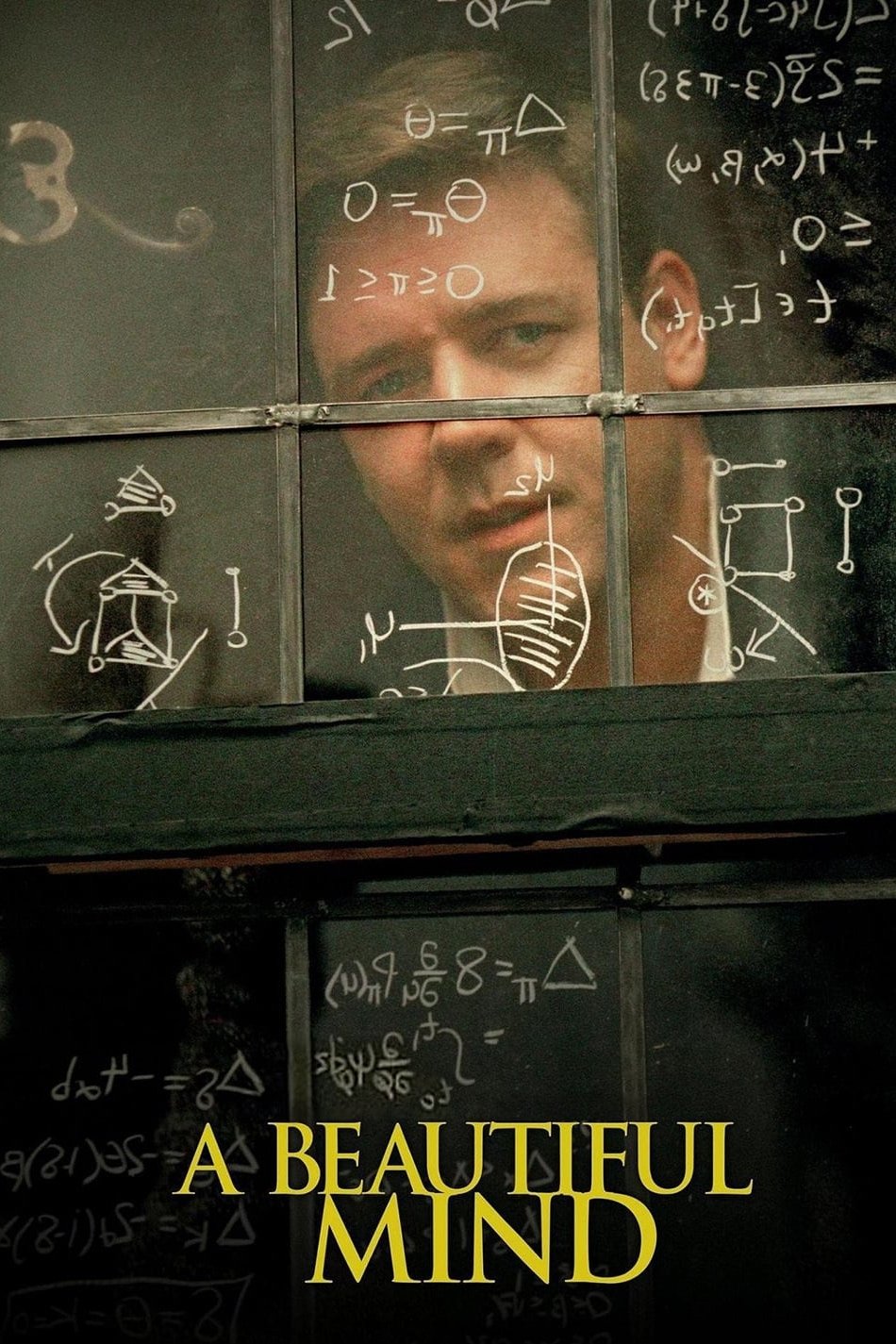
The Historical Era of the Film
“A Beautiful Mind” was released in 2001, a period marked by significant political, economic, and social shifts in the United States and around the world. The late 1990s and early 2000s in America were largely defined by the aftermath of the Cold War, the recent memory of the tech boom and dot-com bubble, and a growing sense of optimism tempered by rapidly advancing technologies. Politically, Bill Clinton’s presidency ended in 2001, succeeded by George W. Bush, whose term quickly became defined by the events of September 11, 2001, just months before “A Beautiful Mind” reached wide audiences. The country was in a state of transition, with new geo-political anxieties and a sudden focus on vulnerability and security.
Economically, the 1990s had seen prolonged prosperity driven by technological innovation and financial deregulation. By the turn of the millennium, the US economy was experiencing the collapse of the dot-com bubble, which created uncertainties regarding employment, investment, and long-term stability. However, unemployment remained relatively low and consumer confidence relatively high as compared to other historical downturns.
Socially, the era was characterized by rapid technological adoption in everyday life, including the mainstreaming of the Internet, cellphones, and ever-more efficient personal computing. Conversations about mental health were evolving, but remained stigmatized to a significant degree. Awareness of conditions like schizophrenia had increased thanks to psychiatric advances in prior decades, although considerable misinformation and misunderstanding persisted among the general public.
Social and Cultural Climate
The early 2000s were a time when American society was grappling with changing attitudes towards issues of identity, representation, and inclusion. In film and television, there was a pronounced trend towards stories based on real individuals, especially those who had overcome adversity. The popularity of biopics surged, shaped by audiences’ appetite for both inspiration and authenticity. Films such as “Erin Brockovich” (2000) and “The Insider” (1999) also focused on personal battles and triumph over structural or internal challenges, reflecting a broader societal interest in personal narrative as a source of insight and inspiration.
Attitudes towards mental health in this period were nuanced. While there was increasing openness, stigma, misconceptions, and fear of the unknown persisted. Popular media often depicted mental illness in sensationalized, inaccurate, or oversimplified ways, either as sources of horror or comic relief rather than serious conditions affecting real people. However, organizations such as the National Alliance on Mental Illness (NAMI) and advocacy campaigns sought to improve public understanding and support for those living with conditions like schizophrenia.
The cultural context extended into the world of academia and high achievement, as the late 20th and early 21st centuries celebrated stories of exceptional mathematical or scientific accomplishment. There was heightened awareness of the personal toll such brilliance could exact, and a growing fascination with “troubled genius” narratives, reflecting societal debates about the nature of intellect, creativity, and the boundaries of “normal” behavior. At the same time, American culture was also wrestling with its past, highlighted by renewed interest in the experiences of people during the Cold War era, especially regarding issues of paranoia, surveillance, and institutional trust.
How the Era Influenced the Film
The historical context of the late 1990s and early 2000s directly shaped the making of “A Beautiful Mind” in multiple ways. The film, based on Sylvia Nasar’s 1998 biography of John Forbes Nash, Jr., arrived at a moment when audiences and studios were particularly receptive to biographical dramas about overcoming adversity. The appetite for true stories of personal achievement and redemption was strong, and the film’s producers were able to position Nash’s struggles and triumphs as emblematic of broader human resilience.
Advances in psychiatry and changing attitudes towards mental illness provided both opportunities and challenges for the filmmakers. Although the general public still held many misconceptions, there was enough expanded knowledge to allow for a more sympathetic and detailed portrayal of Nash’s experiences with schizophrenia. The story could be framed as one of both medical and emotional struggle, appealing to a culture beginning to recognize the complexity of mental health while still drawn to narratives of heroism and perseverance.
At the same time, the film’s depiction of the Cold War era and the paranoia that pervaded both academic and governmental circles reflected an ongoing cultural dialogue in the early 21st century about the consequences of suspicion and institutional secrecy. Post-Cold War retrospectives were common throughout the 1990s and early 2000s, as the United States took stock of its 20th-century history. This was also informed by the pre-9/11 sense of both stability and latent anxiety about global security, which “A Beautiful Mind” sought to evoke through its depiction of Nash’s involvement (real and imagined) with government codebreaking.
In terms of production, the film was shaped by the era’s technological advances in filmmaking and special effects, allowing for nuanced depictions of Nash’s subjective reality. The use of visual and auditory techniques to place viewers inside the experience of schizophrenia reflected both a commitment to “show, don’t tell” storytelling and the rising expectations of audiences exposed to sophisticated cinematic technologies.
Social and professional changes at the turn of the millennium also informed the film’s treatment of academic life and familial relationships. The late-1990s resurgence of interest in math and science as fields of inspiration, coupled with ongoing debates about the pressure faced by high achievers, gave the film a layer of contemporary relevance for audiences who viewed the challenges of Nash’s career in light of the prevailing culture of ambition, competition, and innovation.
Audience and Critical Response at the Time
When “A Beautiful Mind” was released in December 2001, it was met with widespread acclaim from both audiences and critics. The biopic’s release shortly after the events of September 11, 2001, was significant: the United States was in a moment of uncertainty, seeking stories that offered hope, perseverance, and triumph over adversity. Many viewers responded strongly to the film’s focus on overcoming personal challenges, interpreting it as a metaphor for national resilience.
Critically, the film was praised for its performances, particularly Russell Crowe’s portrayal of John Nash, and for its sensitive but accessible approach to mental illness. Reviewers often commented on the film’s ability to render complex psychological experiences in a cinematic fashion understandable to broad audiences, using innovative techniques to depict delusion and reality. At the same time, some critics and mental health experts highlighted the film’s omissions and simplifications of Nash’s life and illness, reflecting ongoing debates about the representation of real people and complex conditions in popular media.
The film was also recognized during the awards season, winning four Academy Awards including Best Picture, signaling industry approval for its combination of compelling storytelling, star performances, and technical achievement. At the box office, the movie was a success, earning over $313 million worldwide, an indication of robust public interest in its subject matter and themes.
Debates surrounding the film’s historical accuracy and treatment of mental health persisted among critics, but the majority response was shaped by the cultural needs of the time: inspiration, affirmation, and a renewed focus on personal achievement as a foundation for societal optimism. This reception was also influenced by a broader desire in the early 2000s for films that emphasized redemption, healing, and the possibility of recovery, mirroring contemporary attitudes about vulnerability and strength.
Why Historical Context Matters Today
Understanding the historical context in which “A Beautiful Mind” was created enriches contemporary appreciation by highlighting both the film’s resonance with its era and its limitations. Knowing that the film was produced in the wake of the technocultural optimism and anxieties of the late 1990s, and released into an America recently shaken by tragedy, clarifies why its narrative of personal triumph, mental health struggles, and intellectual achievement found such a broad and enthusiastic audience.
Recognizing the stigma and misunderstanding regarding mental illness that persisted in the early 2000s, and the advances occurring at the time, helps modern viewers appreciate both the progress represented by the film’s nuanced portrayal and the ways in which it was shaped by remaining cultural blind spots. Today, as conversations about mental health, neurodiversity, and institutional trust have become more open and sophisticated, the film’s context provides important perspective on its achievements and its simplifications.
Finally, awareness of the period’s broader trends toward biographical storytelling, and the prevailing sentiment favoring stories of hope and recovery, allows present-day audiences to see “A Beautiful Mind” as both a product of its time and a contributor to ongoing conversations about human potential, vulnerability, and the evolving understanding of mental illness. Context deepens appreciation by revealing the connections between film, society, and history, reminding viewers that even personal stories are inextricably linked to the moment in which they are told.
🎬 Check out today's best-selling movies on Amazon!
View Deals on Amazon