
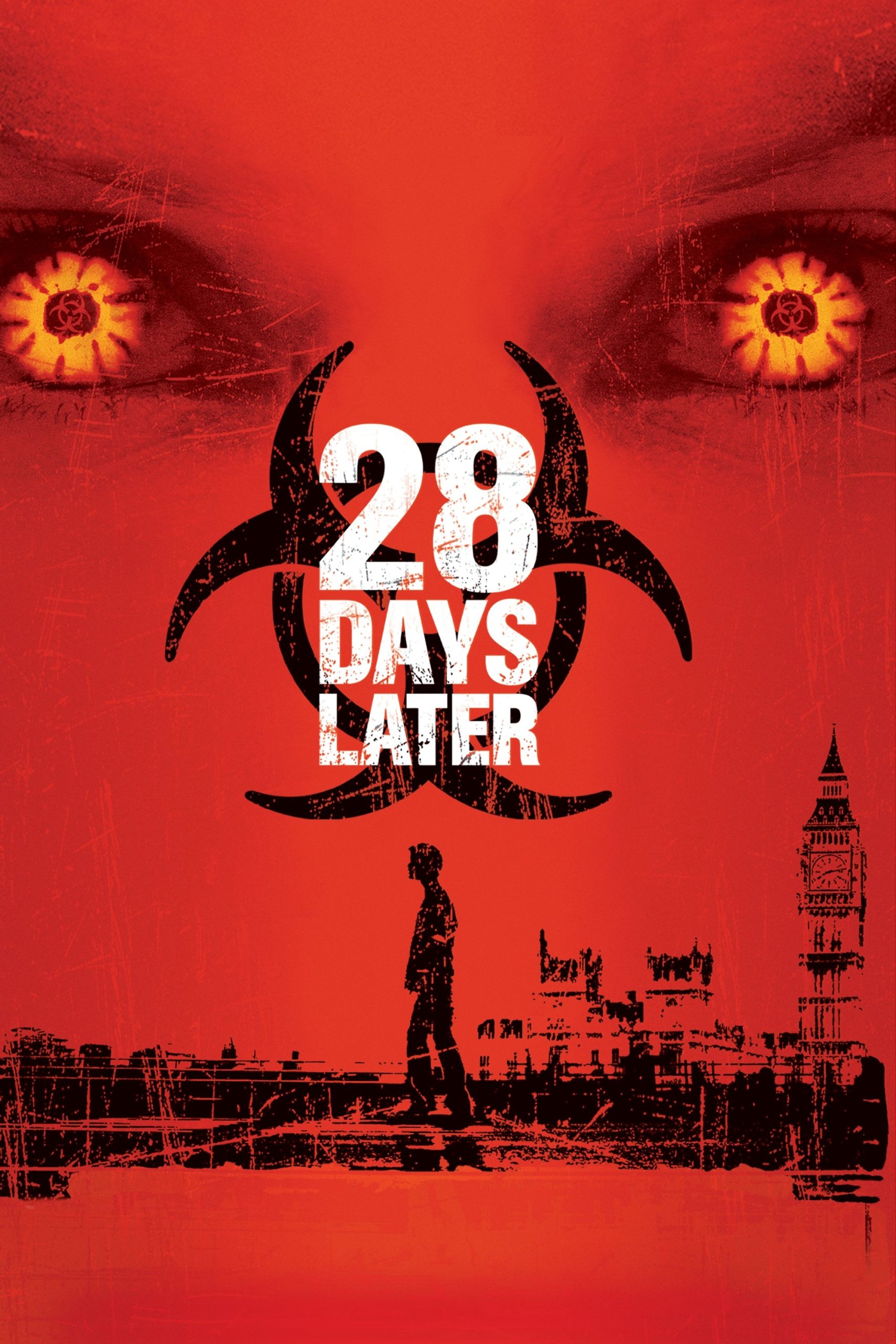
The Historical Era of the Film
“28 Days Later” was released in 2002, a period marked by noticeable shifts and anxieties in global and national contexts, particularly in the United Kingdom where the film is set and was produced. Politically, the immediate aftermath of the September 11, 2001 terrorist attacks had brought about increased global fears of biological and chemical threats, terrorism, and worldwide instability. Governments in the Western world, including the UK, were ramping up security and revising disaster preparedness on an unprecedented scale. International military interventions, such as the subsequent invasion of Afghanistan, were ongoing, leading to a public consciousness deeply aware of vulnerability, change, and the unexpected disruption of everyday life.
Economically, the early 2000s saw the UK experiencing the aftereffects of the 1990s economic boom. While the UK economy was reasonably stable and growing, there was an undercurrent of uncertainty amid global market changes and the burst of the dot-com bubble in 2000. Additionally, globalization was bringing new challenges, with the integration of technology and communication accelerating cultural and economic exchange, but also making societies feel more exposed to global shocks. Moreover, public health was a notable concern; events like the 2001 UK foot-and-mouth disease outbreak wreaked havoc on agriculture and rural communities, offering vivid images of empty public spaces and quarantines that echoed the atmospheres presented in the film.
Social anxieties coalesced around fears of disease, terrorism, and social fragmentation, compounded by sensational media coverage of outbreaks such as SARS and BSE (“mad cow disease”). Public conversations often centered on emergency preparedness, governmental response to crisis, and the capacity for individuals and communities to withstand or adapt to disasters. Thus, the early 2000s in the UK represented an intersection of political concern, economic unease, and social anxiety, all of which informed the creative choices of filmmakers like Danny Boyle and Alex Garland in “28 Days Later.”
Social and Cultural Climate
The turn of the 21st century in Britain and much of the Western world was characterized by a mixture of optimism and trepidation. Popular culture was processing a persistent fascination—and fear—of apocalyptic and post-apocalyptic themes, spurred in large part by anxieties over new millennium threats, including Y2K, terrorism, and pandemic outbreaks. Media from the late 1990s through the early 2000s often gravitated toward dystopian or catastrophic scenarios, reflecting prevailing cultural concerns about the fragility of modern society.
The prevalence of reality television and sensationalist news further heightened a sense of immediacy and anxiety. Audiences were inundated with graphic coverage of crises, whether it was outbreaks, terrorist attacks, or environmental disasters. This climate fostered a renewed interest in speculative fiction, particularly stories that examined survival, community breakdown, and systemic collapse—genres previously associated with Cold War era fears were re-emerging with new relevance.
In the UK specifically, shifting attitudes about national identity, multiculturalism, and the legacy of colonialism were additional undercurrents. The country was grappling both with the realities of a more interconnected Europe—due to the expansion of the European Union and the opening of borders—and with increasing concerns about immigration and social integration. Social trust was often tested by these changes, surfacing in both political rhetoric and in popular entertainment.
Within the film world, there was also a marked resurgence of interest in the horror and science fiction genres, which had waned in the preceding decades. Advancements in digital filmmaking allowed for lower-budget productions to explore big ideas with more immediacy and realism than before. “28 Days Later” epitomized this by using digital video to capture raw, documentary-like urban landscapes, enhancing the film’s visceral impact.
How the Era Influenced the Film
The creation and success of “28 Days Later” were deeply reflective of these early 2000s anxieties and the specific British context from which it emerged. The story’s depiction of a deadly, rapidly spreading virus mirrored actual concerns over the potential for uncontrollable pandemics, a fear that had been stoked by real-life outbreaks like foot-and-mouth disease, BSE, and the first emergent headlines about SARS. The sight of deserted urban spaces in the film, particularly London, drew on the very real images broadcast during disease outbreaks or terrorist threats when public areas were emptied for containment or security reasons.
Themes of governmental failure and social breakdown can be traced directly to the historical era, tapping into doubts about institutional preparedness in the face of real-world disasters. The lingering trauma and uncertainty provoked by 9/11 had left many in Britain and across the world wondering how society would cope with an existential threat and whether neighbors could be trusted under extreme conditions. This climate infused the film with a mood of apprehension and skepticism toward authority and collective action, resonating with widespread feelings of vulnerability and mistrust.
Additionally, the choice to use digital video allowed for a gritty, journalistic style reminiscent of news coverage from actual crisis zones. The filmmakers’ decision to shoot real, recognizable locations in London at dawn—completely devoid of people—evoked both the emptiness and strangeness experienced during crises, enhancing the audience’s sense of familiarity disrupted by catastrophe. The low-budget approach, enabled by new technology, was a response to prevailing economic conditions and shifting industry standards, allowing for resourcefulness and experimentation, both necessary in a time that felt uncertain.
Moreover, the film’s depiction of militarism, martial law, and the breakdown of civilian authority can be seen as reflections of contemporary debates about government power and the ethics of emergency measures. The early 2000s saw intense discussions about state surveillance, the use of force, and the suspension of normal civil liberties during crises. “28 Days Later” channels these concerns through its narrative structure and its portrayal of military and governmental response—both protective and predatory.
On a cultural level, the film drew on and contributed to the revival of the zombie or infection film, re-imagining it for a generation recently sensitized to the realities of viral outbreaks, mass casualties, and social collapse. Danny Boyle and Alex Garland crafted a vision of apocalypse that was immediate and recognizable, intimately linked to the lived fears and realities of the era, rather than the more fantastical or supernatural origins of earlier horror films.
Audience and Critical Response at the Time
Upon its release, “28 Days Later” garnered significant attention from both the public and critics, many of whom remarked on its timeliness and the urgency of its approach. Audiences recognized the film as resonant with their anxieties about disease, terrorism, and social collapse, finding its scenario uncomfortably plausible in a period marked by real-life crises and continual warnings of possible disaster. The striking visual imagery of empty city streets, ordinary places rendered uncanny and dangerous, struck a deep chord in viewers, especially those familiar with the transformation of public spaces amid recent foot-and-mouth quarantines or security operations.
Critically, the film was praised for revitalizing the zombie genre, both by making the “infected” fast and unpredictable and by utilizing digital cinematography to create a raw, immersive atmosphere. Reviewers drew parallels between the film’s viral outbreak and contemporary events, noting how it reflected fears of pandemics and governmental breakdown. Some critics observed that the film’s depiction of authoritarian solutions, moral choices during catastrophe, and the fragility of civilization directly engaged with post-9/11 debates about security, trust, and the social contract.
Reception varied according to geographical context. In the UK, audiences were particularly sensitive to the portrayal of familiar landmarks and civic institutions, and discussions among critics often highlighted the film’s very British sensibility—its understated heroism, skepticism of authority, and use of bleak, practical realism. International audiences, especially in the United States, connected the scenario to their own anxieties about terrorism, bioterrorism, and breakdown of order, viewing “28 Days Later” as both gripping entertainment and an allegory for their time.
Some commentators noted that the film unsettled them not only for its horror conventions but for its reflection of plausible, contemporary fears: the unknown consequences of scientific experimentation, the unpredictability of mass panic, and the exposure of both institutional and personal vulnerabilities. Overall, the film’s release can be characterized as one where entertainment and social reflection were closely entwined; its narrative and imagery captured and shaped public conversations around collective anxiety and response to disaster.
Why Historical Context Matters Today
Understanding the historical context in which “28 Days Later” was produced and released enhances modern viewers’ appreciation by providing crucial insight into the fears, uncertainties, and social dynamics of the early 2000s. Recognizing the film’s roots in real-world anxieties—about biological threats, the limits of governmental power, and the fragility of social order—foregrounds its significance not only as a piece of cinema but also as a cultural document. It reveals the depth of its engagement with contemporary events, showing that its vision of apocalypse is not simply a genre exercise, but is intimately connected to the lived experiences and media culture of its time.
This understanding is particularly resonant in light of more recent events, such as the COVID-19 pandemic, which have renewed public awareness of the speed at which societies can be disrupted by infectious disease. Looking back, the film’s portrayal of deserted cities, confused authorities, and mass fear feels prescient, highlighting the cyclical nature of such anxieties and the way art both anticipates and responds to real-world conditions. Recognizing how “28 Days Later” drew upon specific historical and social currents explains not only its particular approach to storytelling and aesthetics, but also its enduring relevance and impact on subsequent films in the post-apocalyptic and horror genres.
In analyzing historical context, viewers recognize how cultural products reflect and shape the anxieties, values, and questions of their age. The film becomes both a mirror and a commentary, encapsulating the distinct blend of fear, skepticism, and uncertainty that dominated the first years of the 21st century. Thus, engaging with this background enriches our understanding of “28 Days Later” as an artistic response to its time, providing a framework to interpret both its narrative choices and its persistent place in the cultural imagination.
🎬 Check out today's best-selling movies on Amazon!
View Deals on Amazon