
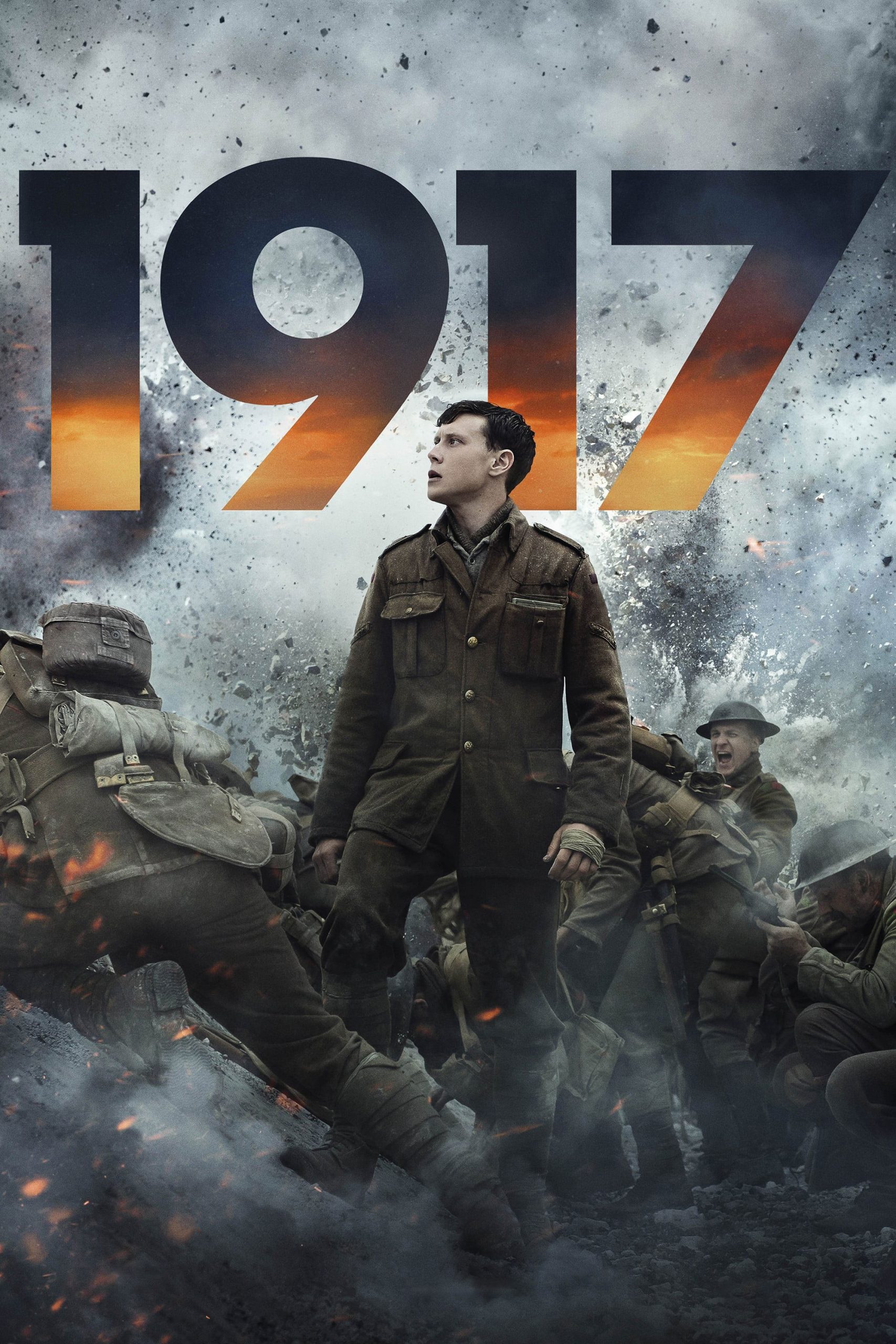
The Historical Era of the Film
“1917,” released in 2019, is rooted in the context of World War I, specifically the events of April 6, 1917. At that time, Europe was still deeply embroiled in a conflict that had begun in the summer of 1914. The war, dubbed “the Great War,” saw major powers—including the United Kingdom, France, Russia, Germany, and Austria-Hungary—engaged in unprecedented total war. The military strategy of trench warfare had led to years of brutal stalemates on the Western Front, particularly across northern France and Belgium, resulting in devastating casualty figures for all sides.
Politically, 1917 was marked by exhaustion and disillusionment among both soldiers and civilians. The Russian Empire experienced profound upheaval that year with the February and October Revolutions, leading to the eventual withdrawal of Russian forces from the war. In Western Europe, Britain and France were struggling to maintain morale and discipline amid mounting losses. The United States formally entered the war in April 1917, though it would take time for significant American troop deployments to reach the Western Front.
Economically, the nations at war had been fundamentally transformed; civilian economies were harnessed for military purposes, resulting in widespread rationing, industrial repurposing, and labor shortages. Food scarcity and inflation affected populations throughout Europe. Socially, the war had dramatically altered family structures—the deaths and injuries of millions of men left significant gaps in communities, and women increasingly entered labor roles previously reserved for men.
By 1917, technology and mechanization—such as tanks, machine guns, poison gas, and aircraft—had escalated the war’s lethality. However, command structures and tactical doctrines often lagged behind the pace of technological change, compounding the suffering of those on the front lines. The prevailing sense of disillusionment and futility increasingly colored both civilian and military perspectives as the war dragged on without clear resolution.
Social and Cultural Climate
The early 20th century was a time of rapid transformation across Europe, and the horrors of World War I catalyzed profound social change. The Edwardian era preceding the war had been marked by relatively rigid class distinctions in Britain, with defined roles for men and women. However, the war upended these conventions.
During the war years, society was characterized by both patriotic fervor and growing war-weariness. Early optimism about a swift victory had long since faded by 1917; the realities of modern warfare were starkly apparent through the scale of casualties and reports from the front.
The emergence of mass media, including newspapers and illustrated magazines, brought war news and imagery closer to the home front than ever before. War poetry and letters home gave voice to the experiences of soldiers, while government propaganda attempted to maintain morale.
Meanwhile, class structures began to shift. Working-class soldiers lived and fought alongside their officers, breaking down some social barriers. Many women served as nurses, in the munitions industry, or filled other roles left vacant by conscripted men, laying the groundwork for greater gender equality movements in postwar years.
Culturally, the trauma of war permeated everyday life. Loss and mourning were near-universal experiences in Britain and France by 1917. War memorials became fixtures in towns and villages, even as the conflict continued. Artistic and literary expressions evolved to reflect the grim realities of modern warfare, moving away from ideas of glory and heroism toward somber reflection and occasionally open criticism.
Tension between the home front and those at the front lines was another facet. Soldiers often saw the civilian population as increasingly detached from the realities of trench warfare, while civilians struggled to process the scale of loss and hardship.
How the Era Influenced the Film
“1917” draws fundamentally on its historical backdrop, with both its narrative choices and its production design reflecting the realities of its era. The story follows two young British soldiers entrusted with a critical message—an urgent mission shaped by the communications and logistical challenges specific to World War I.
The trench warfare setting is meticulously recreated, illustrating the physical and psychological landscapes faced by soldiers. Trenches, cratered landscapes, ruined villages, and corpses are not mere backdrops, but integral parts of daily existence for millions at the time. The film’s depiction of exhaustion, fear, camaraderie, and trauma among soldiers directly mirrors documented personal accounts from the war.
The decision to follow ordinary, non-officer soldiers echoes the flattening of social hierarchies experienced in the trenches, as men from different walks of life shared the same hardships. This aspect reflects the leveling effect the war had on British and European society, at least temporarily, and situates viewers alongside historical reality, moving beyond the glamorization of generals and high command.
The use of a continuous-shot filming technique is as much motivated by modern cinematic innovation as by a historical aim: to immerse audiences in the unrelenting stress and uncertainty of wartime movement across No Man’s Land. The narrative structure, based loosely on stories told by director Sam Mendes’s grandfather, a World War I veteran, further grounds the film in authentic wartime experiences.
Attention to detail in uniforms, weaponry, and military protocol reflects the significant advancements and limitations of the period. The chaos and confusion of communication failures, which underpin the film’s central crisis, were endemic to the real war. The film’s focus on these operational difficulties dramatizes the logistical complexity shaped by both technological evolution and bureaucracy of the era.
Further, “1917” was conceived and produced during the centenary period of the conflict (2014-2018 marked the 100th anniversary of World War I’s major events), a time characterized by renewed historical interest, publications, documentaries, and memorials worldwide. This environment encouraged accurate, sensitive, and immersive portrayals that would resonate both as entertainment and as commemorative acts.
Audience and Critical Response at the Time
When “1917” was released in 2019, the context of its debut shaped much of the audience and critical response. The centenary commemorations of World War I were still vivid in the public consciousness. Many viewers, especially in the UK and other Commonwealth nations, had recently engaged with historical discussions, exhibitions, and ceremonies marking the war’s conclusion and legacy. This provided fertile ground for a major film enterprise that invited intimate involvement with soldiers’ experiences.
Critics widely praised “1917” for its immersive filmmaking techniques, historical fidelity, and emotional impact. The film’s technical achievements—especially its simulation of a single continuous shot—were hailed as both innovative and viscerally engaging. Many reviewers remarked on the effective recreation of the period’s atmosphere, including both the material realities of the war and the psychological intensity reported in first-hand accounts.
General audiences responded positively, with many expressing that the film humanized the war by focusing on small-scale, personal narratives rather than grand strategy or political maneuvering. The timing of its release, close to Remembrance Day in many countries, amplified its resonance as both entertainment and homage. Veterans’ groups and educators heralded its commitment to honoring individual sacrifice and igniting renewed discussion of World War I.
However, some historians and critics noted the challenges of balancing drama with historical precision, and discussed how the film’s structure and pacing sometimes heightened dramatic license at the expense of strict accuracy. Nonetheless, the overwhelming response—commercially and critically—centered on the film’s ability to evoke the urgency, randomness, and moral complexity faced by wartime participants.
“1917” received numerous accolades, including Academy Awards for Best Cinematography, Best Visual Effects, and Best Sound Mixing. Its critical and popular success was largely attributed to the way it connected the contemporary viewer to the experiences of the past through both technical mastery and empathy.
Why Historical Context Matters Today
Understanding the historical context of “1917” enriches modern appreciation by reconnecting audiences with the transformative impact World War I had on the twentieth century. Today, the Great War is often viewed through the lens of statistics or distant memorialization, yet the desire to comprehend its human realities persists.
The historical authenticity and specificity in “1917” offer viewers a window into a vanished world. Recognizing the particular hardships, motivations, and social transformations of the wartime era allows contemporary audiences to appreciate why and how individual stories unfolded as they did. The film also invites reflection on the technological, bureaucratic, and social structures that shaped the war’s grim realities.
The film’s release during the centenary era coincided with renewed global consideration of conflict, nationalism, and the legacy of large-scale trauma. By situating its narrative firmly within the context of 1917—rather than adopting a more universal or allegorical approach—the film supports historical literacy, fostering critical engagement with questions of causality, decision-making, and human cost.
For modern viewers, “1917” underscores the fragility of peace, the complexity of individual agency amid larger events, and the enduring relevance of historical memory. In an age where few living witnesses to World War I remain, films grounded in context play a significant role in shaping collective remembrance and public understanding.
In summary, recognizing the historical and social forces at work in both 1917 itself and its cinematic reconstruction helps audiences move beyond passive consumption. It enables critical exploration of how history is made, remembered, and retold—ensuring that such stories serve not just as spectacle, but as meaningful reflections on humanity’s shared past.
🎬 Check out today's best-selling movies on Amazon!
View Deals on Amazon