
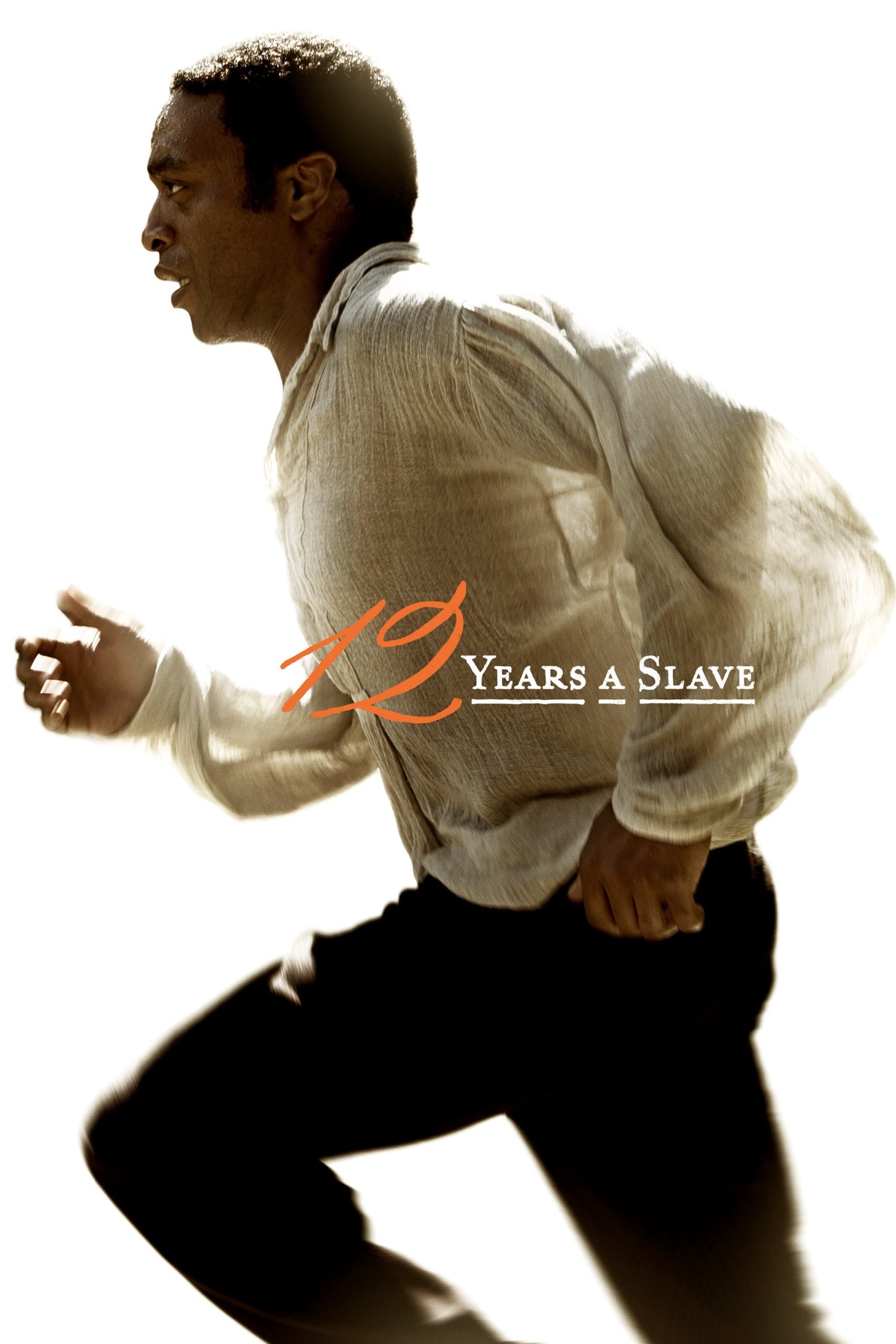
The Historical Landscape
In 2013, the world was undergoing profound shifts—politically, technologically, and culturally—when “12 Years a Slave” burst onto the cinematic stage. The United States, under the leadership of President Barack Obama, was still reckoning with the election of its first Black president, carving ripples of hope, skepticism, and unrest throughout society. Obama’s presence was both a signal of progress and a lightning rod for unresolved racial tensions. The Trayvon Martin shooting a year earlier, followed by the contentious trial of George Zimmerman, had pushed conversations about race and justice to the forefront of public discourse. Social media, amplified through Twitter, Facebook, and evolving platforms, became newfound spaces for mobilizing, sharing, and contesting stories that had long been overlooked or suppressed.
The early 2010s were marked by a rapidly changing entertainment industry as well. The lines between indie films and major studio productions were blurring, thanks to technological advances and the proliferation of streaming services. Audiences demanded bolder, more authentic content, and filmmakers began to explore narratives beyond the familiar tropes of Hollywood’s golden past. In the aftermath of the 2008 financial crisis, both the economy and the American psyche were in flux, fueling a hunger for stories that grappled with power, exploitation, resilience, and hope.
Amid these transformations, “12 Years a Slave” entered a landscape both ripe for and resistant to its narrative. America was still battling with the persistent scars of its historical sins, most notably slavery and its aftermath. The educational curricula across various states tiptoed around or whitewashed the brutality of slavery, leading to continued ignorance or misconception among newer generations. Yet, competing forces were at play: the rise of the Black Lives Matter movement and a growing cultural appetite for a reexamination of American history from the perspectives long denied a voice.
Internationally, global awareness of the United States’ legacy was intensifying. From London to Johannesburg, from Paris to São Paulo, audiences and critics alike scrutinized America’s self-image and its willingness to confront its past. “12 Years a Slave” emerged as a cinematic testament at a crossroads—a product of its historical moment, grappling with the ache for truth and the challenge of collective remembrance.
Cultural and Political Undercurrents
Beneath the surface of daily headlines and political maneuvering, deeper currents tugged at the American soul, shaping the context into which “12 Years a Slave” would be released. Central among these was a resurgent national debate about race, heritage, and belonging. Although mainstream culture was, on the surface, embracing diversity—as seen in the increasing presence of people of color in media, sports, and business—ambivalence, resistance, and outright hostility lingered in many quarters. The increasing visibility of racial injustice, thanks to mobile phone cameras and viral social media posts, forced uncomfortable confrontations with realities many had long denied or minimized.
This period also saw a cinematic reckoning: filmmakers and audiences alike became more critical of Hollywood’s historic tendency to sanitize or sideline historically marginalized groups. There was rising discomfort with films that trivialized the trauma of slavery or cast it in sentimental hues for the comfort of white audiences—as with 2011’s “The Help” or earlier generations of “Gone with the Wind.” Instead, 2013 witnessed a yearning for raw, unvarnished truth, a demand echoing through critical circles and new grassroots film communities born from the internet’s connective tissue.
Politically, America was fragmented. The election of President Obama, by some viewed as a post-racial victory, in reality exposed the persistent depth and complexity of American racism. “Birtherism,” coded language in political discourse, and the rise of new civil rights campaigns spoke volumes about the unfinished work of national unity. The issue of reparations, though largely outside mainstream politics, simmered in scholarly and activist communities, and reverberated through art, literature, and increasingly, film.
Globally, there was increased scrutiny of Western narratives about race and history. The post-colonial world, in the throes of its own identity renegotiations, looked to art as a medium for truth-telling and reconciliation. “12 Years a Slave,” as a British-American co-production directed by British artist Steve McQueen, itself symbolized a crossing of cultural boundaries, challenging both the American audience and the international community to bear witness to a story so pivotal—and so rarely told with such unflinching honesty.
The Film as a Reflection of Its Time
“12 Years a Slave” stands as a cinematic mirror, reflecting not only the brutality of antebellum America but also the evolving consciousness of the country and the world in the early 2010s. At the heart of the film is Solomon Northup’s harrowing journey from freedom to bondage and back. This narrative, based on Northup’s 1853 memoir, was notable not only as a true-life account but also as an antidote to the decades of American film and literature that either ignored or distorted the lived realities of slavery.
The film’s willingness to dwell with unmediated violence—long, torturous scenes such as the near-lynching of Solomon, the torment of Patsey, the calculated dehumanization enacted by slave owners—reveals a cinematic era ready, or perhaps forced, to confront the atrocities of the past without romantic filter. McQueen’s directorial style eschews sentimentality in favor of stark realism; in so doing, it positions contemporary viewers not as passive consumers but as active witnesses. In the buildup to and aftermath of release, the film provoked passionate conversations about “representing pain,” the ethics of depicting trauma, and the role of art in social memory.
The casting itself was revolutionary. Chiwetel Ejiofor, Lupita Nyong’o, Michael Fassbender, and a supporting cast drew praise for their ability to embody complex, tragic, and fiercely resilient characters. The international flavor of the cast—British, Kenyan, American—mirrored the global intersectionality of modern audiences, many of whom recognized in Northup’s ordeal a universal human struggle for justice and dignity. Nyong’o’s breakout role and subsequent Oscar win symbolized a changing Hollywood, where opportunities for Black actors and filmmakers, though still limited, were expanding beyond tokenism or stereotype.
In bringing Northup’s story to a large audience, the film also positioned itself as part of the larger dialogue about memory and history. It came at a moment when museums, textbooks, and public monuments were being scrutinized for their depictions of slavery and its aftermath. “12 Years a Slave” was more than a historical drama; it entered classrooms, church groups, and community forums as an educational tool, a moral text, and a source of empathy rooted in the lived experience of one man, but resonant with millions. The fact that it was so celebrated—including winning the Academy Award for Best Picture—was itself a marker of shifting taste and, perhaps, maturity in American cultural self-reflection, even as debates over its narrative choices exposed deep fissures within that self-scrutiny.
Changing Perceptions Over Time
Upon its release, “12 Years a Slave” was greeted with widespread critical acclaim, lauded for its realism, artistry, and moral seriousness. Many hailed it as the definitive cinematic account of slavery, marking a break from Hollywood’s tradition of white-centric narratives and half-truths. In film circles and beyond, it was recognized for igniting overdue conversations about American history, memory, and the scars carried across generations.
Yet even in its early praise, dissenting voices emerged. Some critics and viewers took issue with the film’s approach to representing Black suffering, questioning whether the unflinching violence risked retraumatizing viewers or commodifying trauma for awards-season prestige. The debate over the film’s audience—was it meant to teach white Americans, or to provide solace or representation for Black viewers?—became a recurring theme in public analysis. In this regard, “12 Years a Slave” became a touchstone for conversations about “trauma narratives” and the limitations and responsibilities of historical storytelling on screen.
As the years have passed, the film’s impact and resonance have shifted. The rise of the Black Lives Matter movement, the increased calls for reparations, and controversies around Confederate monuments have sharpened public perception about historical reckoning. In academic circles, the film is regularly taught as a case study in both the power and shortcomings of visual representation of trauma. Viewers increasingly return to it with more critical questions: Whose stories remain untold? Whose perspectives are prioritized in cinematic re-tellings of slavery and its legacies? For some, the film remains an essential act of witness; for others, it marks a necessary but incomplete step in a much longer process of truth-telling and repair.
The #OscarsSoWhite controversy (beginning in 2015) also reignited debates about not only representation behind the camera but also what kinds of Black stories are deemed “award-worthy” by Hollywood’s institutions. Some began to argue that tales of suffering and victimhood drew more recognition than those showcasing Black joy, agency, or futurism. In this context, “12 Years a Slave” came to symbolize both the possibilities and the limitations of Hollywood’s evolving conscience. As newer films and series—like “Underground Railroad” or even Afrofuturist visions like “Black Panther”—emerged, “12 Years a Slave” was re-examined as a vital, but not solitary, landmark in a longer trajectory of cinematic engagement with history and identity.
Historical Takeaway
“12 Years a Slave” is a document of its era not simply because of what it depicts, but because of how and why it was made, received, and remembered. Its existence reflects a period when the boundaries of historical storytelling on screen were being stretched—and sometimes shredded—in the name of honesty, empathy, and, above all, reckoning. The film’s success signaled a hunger in the public, both American and global, for stories that refused the comfort of myth and instead invited discomfort and dialogue. It reveals a culture grappling with hard truths: that the legacy of slavery is neither distant nor resolved, that memory is not neutral, and that art can be a driver of collective self-examination, rather than mere entertainment.
Perhaps most telling are the conversations it sparked—about history, representation, trauma, and healing—that have only grown louder and more complex in the years since its release. In the wake of “12 Years a Slave,” no serious discourse about American identity, racism, or the power of film can ignore the importance of confronting history, however painful. The film’s era, perched uncertainly between hope and unease, technological optimism and ethical crisis, global connectivity and old divisions, is indelibly marked in its frames. Its historical lesson, ultimately, is not just about slavery, or even about America, but about the enduring moral imperative to bear witness, to remember, and to reckon—both on screen and beyond.
🎬 Check out today's best-selling movies on Amazon!
View Deals on Amazon