
The Historical Landscape
When “127 Hours” premiered in 2010, the world had begun to emerge from the tumultuous first decade of the 21st century. The post-9/11 era was still casting long shadows over global consciousness. Wars in Iraq and Afghanistan shaped news headlines, sparking debates on personal agency, survival, and human limits — themes reverberating through contemporary storytelling. In the United States, Barack Obama’s presidency marked a new dawn of hope and resolve, alongside continued anxieties about economic recovery after the 2008 global financial crisis. Technology’s rapid acceleration contributed to a more connected yet paradoxically isolated populace, with the smartphone revolution, nascent social media platforms, and easy access to information affecting how individuals perceived themselves and their environment.
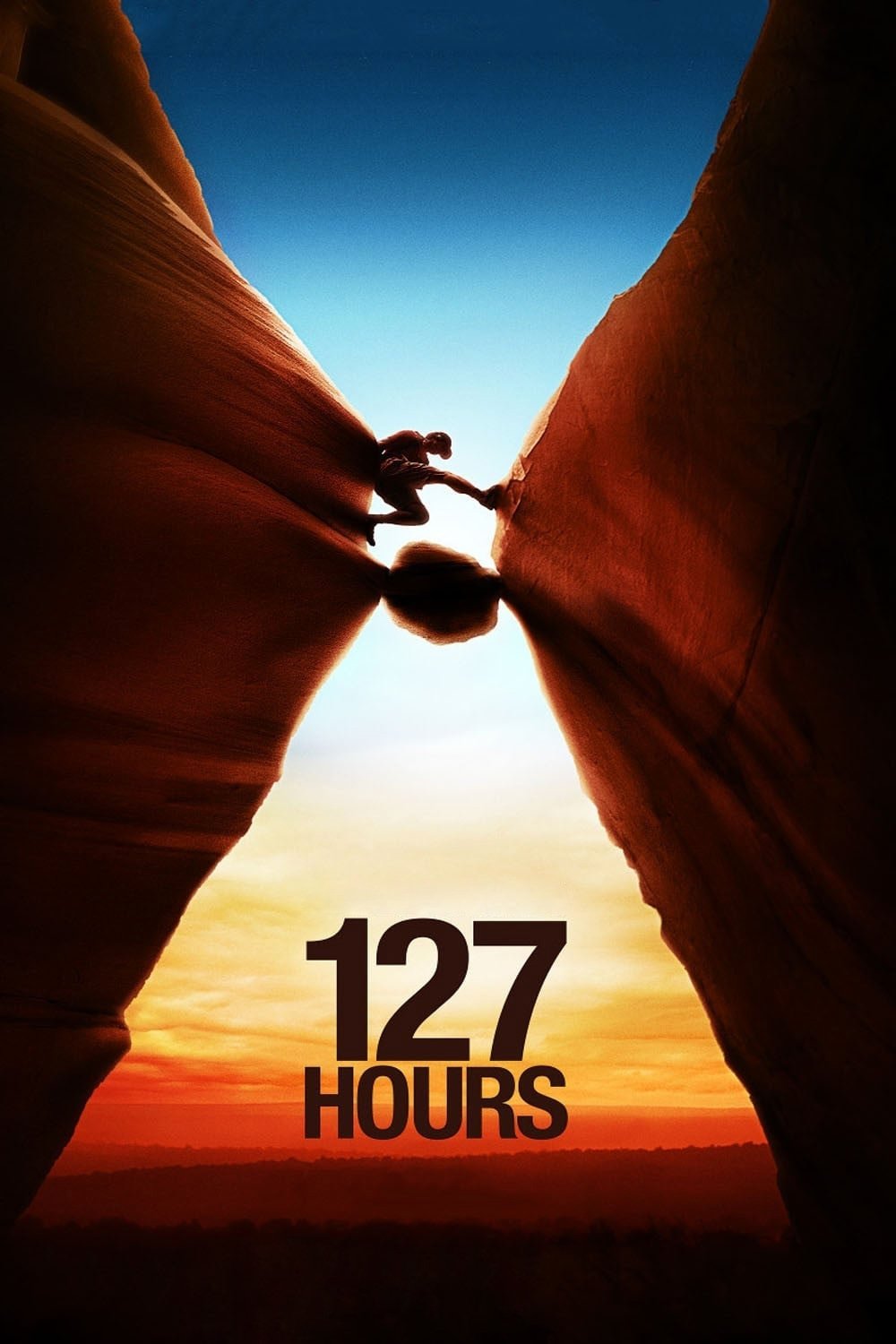
Cinematically, Hollywood was dominated by big-budget spectacle: superhero franchises, fantasy sagas, and sequels aimed at mass escapism. However, there was growing space for independent, character-driven narratives that drew viewers inward, focusing on psychological landscapes as much as physical ones. Films reflecting real-life stories and feats of endurance provided a counterpoint to the gloss of mainstream entertainment, serving audiences yearning for authenticity and introspection in an age of mediated realities. Into this milieu entered Danny Boyle’s “127 Hours,” a visceral recounting of Aron Ralston’s ordeal in the Utah canyons, presenting a real-world drama that diverged sharply from fabricated, effects-laden tales of heroism.
This was also the era when the boundaries between public and private began to blur. Reality television, autobiographical literature, and the proliferation of first-person digital storytelling made the intimate travails of ordinary people newly accessible — breeding both a hunger for personal narrative and a voyeuristic fascination with endurance. Against this backdrop, “127 Hours” offered something unique: the intersection of solitude and spectacle, inviting audiences to witness a private crisis broadcast in the full glare of cinema.
Cultural and Political Undercurrents
Beneath the surface of the film’s story lay complex currents influencing the era’s creative output. The 2000s were marked by heightened awareness of what it meant to be alone — in danger, in pain, and ultimately reliant upon oneself. This individualism, both celebrated and critiqued, reflected a broader American ethos. The sociopolitical climate prompted soul-searching: questions about personal responsibility, the consequences of risk-taking, and the search for meaning in extreme circumstances haunted the public imagination.
Politically, the years leading to 2010 were characterized by a swing away from collective narratives, with individuals recast as agents of survival and change in uncertain times. Environmental concerns also penetrated cultural consciousness. The era saw the first swell of popular environmental documentaries, growing awareness of humankind’s precarious relationship with nature, and public debate about sustainability and wilderness preservation. Ralston’s predicament — ensnared by the very elements he sought to conquer — subtly echoed these anxieties about the human-nature balance, underscoring the limits of mastery in an unpredictable world.
The rise of digital self-documentation sharpened focus on the boundaries of private and public pain. Ralston’s use of a video camera to record his farewells mirrored society’s own predilection for chronicling personal milestones, triumphs, and traumas. In a time when people broadcast their lives through rapidly growing platforms like Facebook and YouTube, the impulse to leave a digital trace in the face of mortality resonated with a generation negotiating its relationship with technology, identity, and legacy.
Notions of masculinity and independence — already under transformation — received new examination. In the broader culture, the reassurance traditionally found in predictable roles and social constructs was faltering. “127 Hours” thrived in this climate, interrogating what it meant to be vulnerable, to suffer, and to reach out for connection in one’s darkest moments, while grappling with the mythos of rugged American individualism.
The Film as a Reflection of Its Time
“127 Hours” stands as a cinematic mirror reflecting the paradoxes and preoccupations of the early 21st century. Through the lens of Aron Ralston’s entrapment, the film transforms a private ordeal into a universal meditation on survival. This focus on interiority, amplified by director Danny Boyle’s kinetic style, channeled the era’s fascination with psychological endurance, aligning with broader trends in popular culture that valued grit as much as spectacle.
The film’s narrative device — Ralston recording himself in captivity — directly draws on the then-new normal of self-documentation. His video monologues evoke the burgeoning culture of digital confessionals, bridging the gap between solitary experience and collective empathy. In an age when millions posted status updates or video diaries for public consumption, the moments when Ralston addresses the camera feel distinctly of their time, underscoring the desire to be witnessed, remembered, and understood, especially in crisis.
Visually and thematically, the film juxtaposes human vulnerability with the indifference of nature. The Utah landscape, both breathtaking and pitiless, encapsulates environmental dualities felt across the world — awe at natural beauty paired with fear of its untamable power. Against this backdrop, Ralston’s ordeal becomes a secular passion play: a confrontation with mortality and, ultimately, a reawakening to community. This journey from self-reliance to the necessity of connection speaks to the social recalibration occurring amid the era’s technological changes and economic uncertainties.
Additionally, “127 Hours” aligns with the decade’s appetite for stories of real people enduring extraordinary circumstances — a lineage traceable to “Into the Wild” (2007) and other survival narratives. These films drew audiences toward internal journeys, engaging the questions of who we are when stripped of creature comforts and what it means to master one’s fate. In Ralston’s moment of decision — the self-amputation of his arm — the film confronts the limits of human will, physical boundaries, and the consequences of choices. This harrowing transformation resonates not just as personal salvation, but as a metaphor for cutting oneself free from the stagnant or destructive patterns that characterized so much of the preceding decade’s malaise.
Danny Boyle’s stylistic choices, from frenetic editing to close-up intimacy, reflect not just the character’s panic and pain but also the cultural sensibilities of an audience acclimated to the intense stimulus of digital media. The film’s relentless pacing mirrors a society accustomed to rapid information and little patience for quietude, yet paradoxically, its subject demands patience, endurance, and introspection — the very qualities perhaps at risk in the information age.
Changing Perceptions Over Time
A decade and more after its release, “127 Hours” has continued to reshape its legacy. At the time, critics and audiences lauded the film for its realistic, unflinching portrayal of suffering and survival. It was both a technical achievement and a moral inquiry, prompting visceral reactions to Ralston’s self-amputation, while encouraging reflection on the meaning of adversity. Over the years, as physical survival thrillers gave way to narratives focusing on mental health, identity, and community, the film’s individualism seems both timely and, in some respects, a marker of its moment.
In an era increasingly conscious of collective action — due to crises such as climate change and the COVID-19 pandemic — the film’s focus on solitary determination has been re-interpreted. Some now view Ralston’s journey with a more critical eye, questioning the valorization of lone heroism over interdependence. Others find in it an enduring allegory: a reminder of the human capacity for transformation, not despite suffering, but through it.
The film’s meditation on technology — particularly the use of a personal camera to create a living testimony — has grown more prescient. As digital documentation became ever more embedded in daily life, the act of turning a camera on oneself in extreme circumstances, once novel, now feels routine. The film thus becomes prophetic, foreshadowing how ordinary crisis, joy, or pain would come to be mediated and performed for unseen audiences in the years to follow.
As society’s relationship with wilderness evolves — shaped by climate anxiety and ongoing debates about outdoor access and safety — the film also invites reflection on the responsibilities and risks associated with seeking adventure. Ralston’s independent spirit, once celebrated, is now sometimes critiqued for hubris or lack of preparation, reflecting a shift in public attitudes toward risk in the natural world. The film, thus, is increasingly viewed as both a survival epic and a cautionary tale.
Historical Takeaway
“127 Hours” endures as a cultural artifact of its era, crystallizing late-2000s anxieties and aspirations. It encapsulates the drive for authenticity and transparency that characterized the time, blending private suffering with public documentation. Its focus on individual agency reflects both the era’s confidence in personal will and its dawning awareness of human limitations, whether before nature or circumstance. Simultaneously, the film gestures at the necessity of connection, empathy, and community — values that would only gather urgency in the following years of global upheaval.
Examined historically, the film reveals a society on the cusp of transformation: still fiercely holding to myths of self-reliance, yet increasingly aware of the costs and illusions of isolation. It marks a transitional moment, when individual stories of survival served both as inspiration and as harbingers of an age requiring deeper reckoning with vulnerability. In the end, “127 Hours” communicates not just the story of one man trapped in a canyon, but the complex spirit of its time — frozen in stone yet always straining toward freedom and meaning.
🎬 Check out today's best-selling movies on Amazon!
View Deals on Amazon